
The #soil4nature project is a cross-border initiative implemented within the framework of the Interreg VI-A Hungary–Slovakia Programme. Its objective is to develop sustainable soil management practices and promote regenerative agriculture in the Pannonian region.
Today, the fertile soils of the Pannonian Plain face serious challenges. Decades of intensive agricultural practices have, in many cases, degraded soil structure, reduced organic matter content and depleted nutrient reserves. Soil degradation is accelerating across Europe, and the region is particularly vulnerable. #soil4nature addresses this challenge by developing and testing scientifically grounded yet practically applicable solutions that improve soil health, enhance system resilience and ensure long-term yield stability.
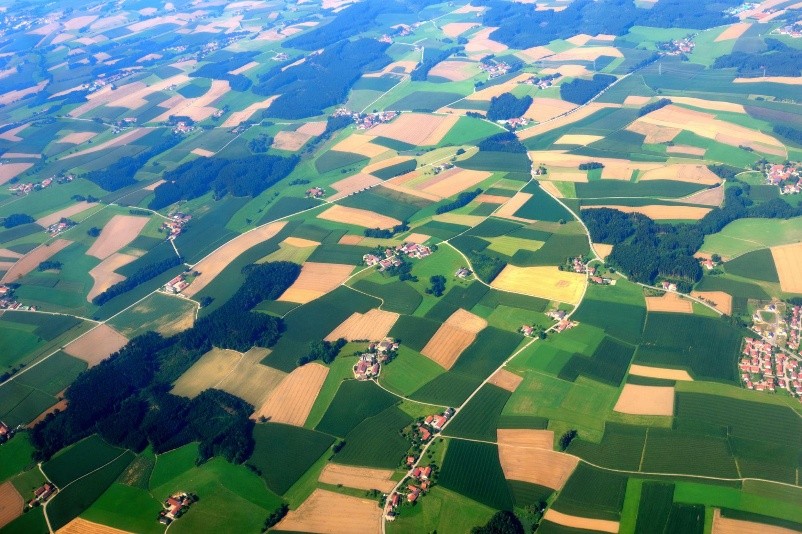
The overall goal of the project is to facilitate the adoption of regenerative agricultural approaches. To achieve this, the partnership investigates various soil management methods, with particular emphasis on practices that improve soil structure, increase organic carbon content and strengthen biodiversity while maintaining economic viability.
A defining element of the research is the “bottom-up” approach. Farmers are not merely participants but active contributors to the research process. Field experience and scientific analysis are closely integrated, ensuring that project results are directly applicable in practice.
Cross-border cooperation plays a key role in the initiative. The partnership is led by the Bioeconomy Cluster (Slovakia), with the participation of Hungarian and Slovak professional organisations and farms:

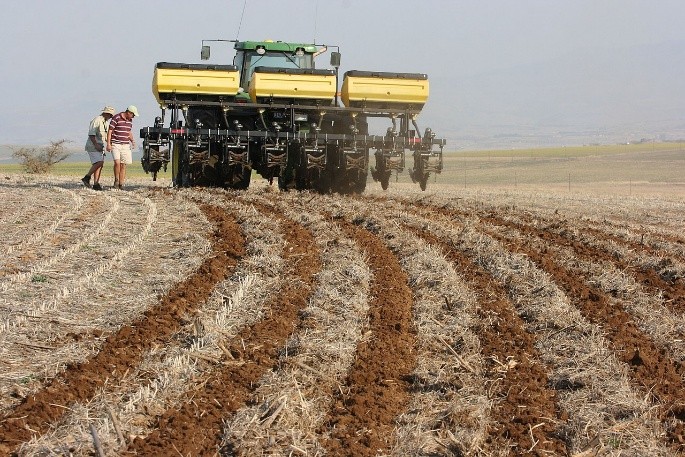
The partners operate in areas with differing agroecological conditions, enabling comparison of farming systems and the development of conclusions applicable to the wider region. The practical implementation of the project is based on field experiments. Participants establish experimental plots, conduct soil sampling, compare different cultivation systems and test cover crop mixtures and intercropping combinations. The impacts of conventional tillage, strip-till and no-till systems are evaluated.
A key innovation of the project is the integration of digital technologies. The sensor network installed on the experimental fields measures soil moisture, soil temperature and electrical conductivity in real time, while drone-based imagery and vegetation index analyses provide accurate insights into crop status. The collected data are integrated into an interactive digital platform that represents the system as a “single digital farm.” This data-based visualisation enables comparison of treatments, time-series analysis and decision support. Results are communicated in a visual and accessible way, making them understandable not only for experts but also for non-technical audiences.

#soil4nature is not only a soil research project. It also aims to strengthen communities, promote knowledge sharing and contribute to building a sustainable future. The project seeks to bring together farmers, researchers and decision-makers to jointly develop systems that ensure long-term soil fertility and ecological balance in agricultural landscapes.
The project is implemented with the support of the European Union.
An association of legal entities established in 2015 to promote cooperation, innovation, and knowledge exchange in the agri-food and bio-based sectors. BEC connects research centers, universities, and SMEs to foster collaboration and technology transfer.
A Hungarian research center focused on modern agricultural technologies, soil science, and plant protection. DC supports farmers in Hungary and abroad by providing soil information and analysis, and helping them make informed decisions about their farming practices.

A regenerative co-op farm owned by 54 stakeholders which manage 640 ha of land. The farm has adopted no-till practices, cover crops, and has eliminated the use of chemical pesticides and fertilizers. They are actively involved in disseminating their knowledge and experiences through various activities such as open days, workshops, and field demonstrations.
A Hungarian agriculture company based in Monor, Pest county. The company cultivates 1100 hectares of arable land and has adopted precision agriculture technologies, minimum and no-till practices, and is working towards introducing cover crops.